Knee replacement can be an option when significant joint damage causes persistent pain and major limitations in daily activities despite suitable non-surgical treatment. It is not the first step for most people with knee pain.
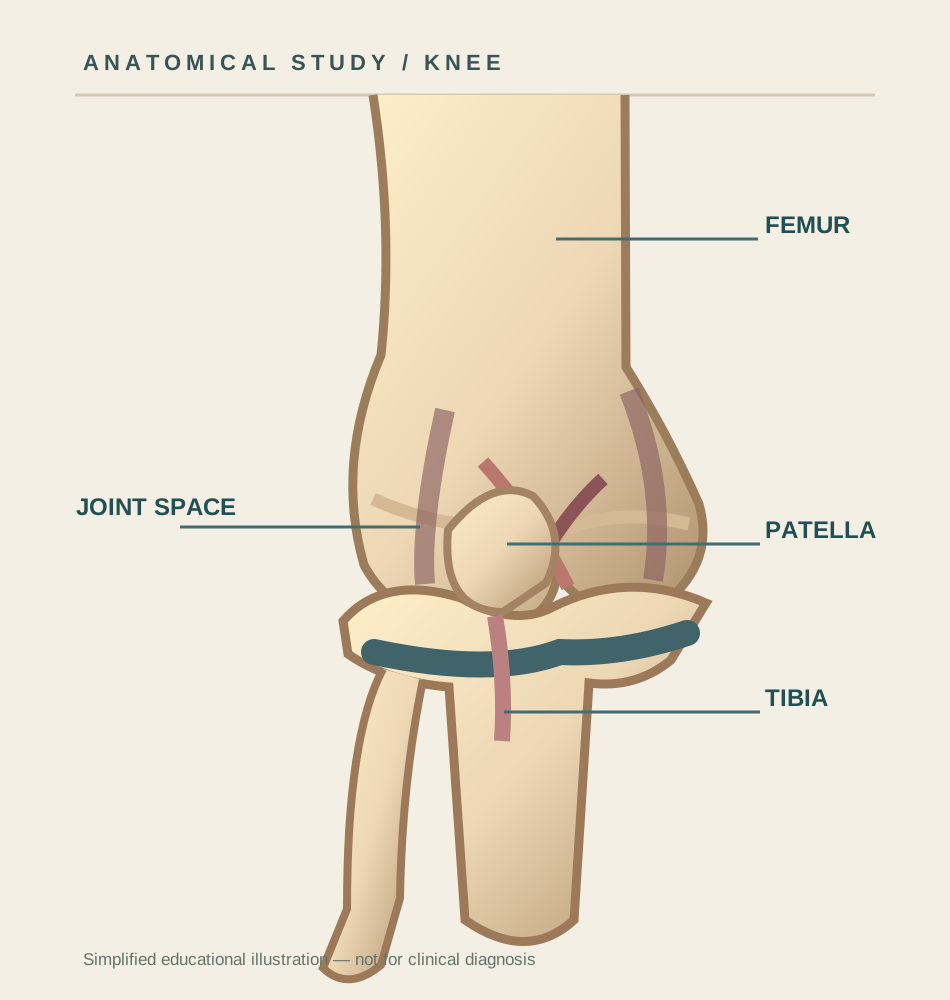
What may be causing these symptoms?
A clinical discussion usually considers symptoms, physical examination, X-rays, overall health and what matters most to the patient. Expectations, potential complications and the rehabilitation commitment deserve as much attention as the procedure itself.
When an orthopaedic assessment may help
- Ongoing pain affecting sleep, walking or daily activities
- Advanced changes on imaging that align with symptoms
- Limited benefit from appropriate non-surgical treatment
- Readiness to discuss expected benefits, risks and rehabilitation
Understanding your treatment options
Replacement surgery typically resurfaces damaged joint surfaces with prosthetic components. Rehabilitation and safe mobilisation are integral to recovery. The best approach depends on the joint, patient health, and a careful surgical assessment.
Consultation in Indirapuram, Ghaziabad
Discuss your symptoms with Dr. Himanshu Gupta at Amicare Hospital, Nyay Khand-1, Indirapuram. Call +91 96505 10275 to confirm appointment availability. For severe injuries or medical emergencies, seek emergency assessment instead of waiting for an outpatient appointment.
Common questions
How do I know whether surgery is the right time?
The decision depends on symptoms, limitations, X-rays, other treatments tried, health and your goals—not a single scan result.
Can physiotherapy help before surgery?
Strengthening, mobility and activity planning can support function and may remain useful whether or not surgery is selected.