Frozen shoulder, also called adhesive capsulitis, is a condition in which the shoulder becomes painful and increasingly stiff. A characteristic feature is restriction of both active movement and movement attempted by an examiner.
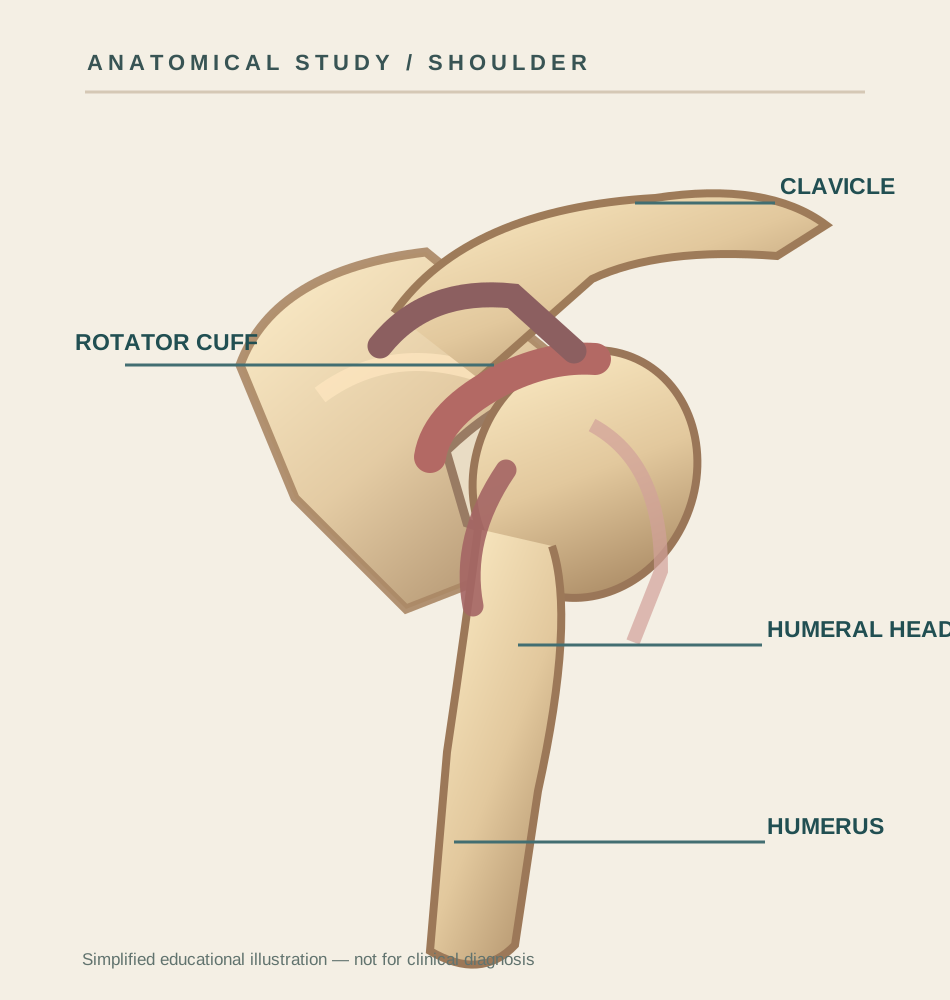
What may be causing these symptoms?
Symptoms often evolve over time. Pain may be prominent early, with substantial stiffness affecting dressing, reaching behind the back and daily activity. Other shoulder conditions can resemble frozen shoulder, so a diagnosis should not be made from one symptom alone.
When an orthopaedic assessment may help
- Difficulty reaching behind the back or overhead
- Reduced passive and active range of motion
- Pain with certain movements and disturbed sleep
- Difficulty with routine tasks such as dressing
Understanding your treatment options
Treatment commonly focuses on pain management and appropriate movement rehabilitation. Depending on the clinical assessment, injection-based options or other interventions may be discussed. Forcing painful stretches may aggravate symptoms, so rehabilitation should be tailored.
Consultation in Indirapuram, Ghaziabad
Discuss your symptoms with Dr. Himanshu Gupta at Amicare Hospital, Nyay Khand-1, Indirapuram. Call +91 96505 10275 to confirm appointment availability. For severe injuries or medical emergencies, seek emergency assessment instead of waiting for an outpatient appointment.
Common questions
Is frozen shoulder the same as a rotator cuff tear?
No. Both can cause pain, but marked loss of passive motion is particularly relevant when evaluating frozen shoulder.
How long does it take to improve?
The course varies; improvement can take many months. A clinician can assess progress and other causes of stiffness.