A twisting injury followed by a pop, swelling or instability should be assessed carefully.
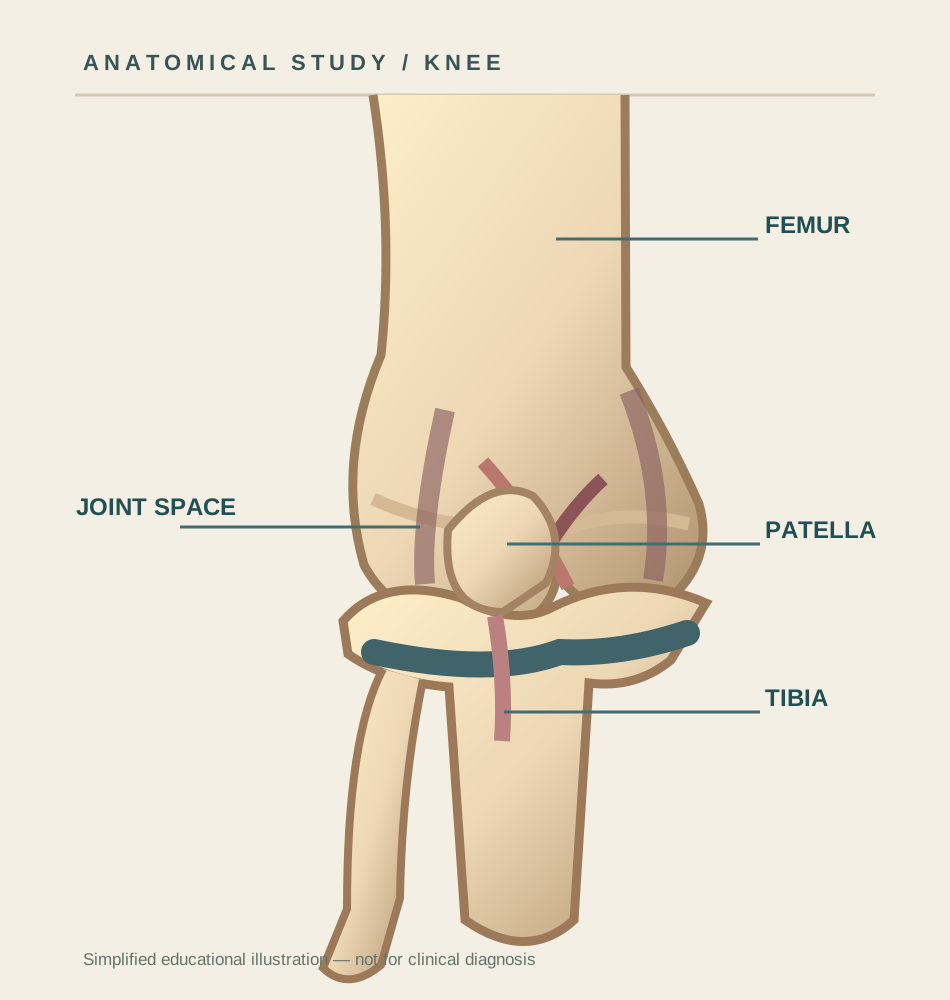
Protect the knee immediately
Stop activities that provoke instability, avoid returning to sport and seek appropriate clinical assessment. Significant inability to bear weight or concerning symptoms warrant prompt evaluation.
Look beyond the ACL
Other ligaments, the meniscus and joint surfaces may also be injured. Physical examination and sometimes imaging help identify the full injury pattern.
Rehabilitation has a role regardless of treatment
Appropriate rehabilitation can restore range of movement, strength and confidence. Some patients manage without reconstruction; others may consider surgery based on instability, associated injuries and sporting goals.
Questions to ask at the appointment
Ask what structures may be injured, whether MRI will be useful, whether bracing or crutches are appropriate and what progression is safe before returning to exercise.
When is MRI useful?
MRI can help evaluate the ACL as well as associated meniscus and cartilage injuries when that information would change management. The test should be interpreted with clinical findings.
Why is return to sport a separate decision?
Pain relief is only part of recovery. Stability, strength, movement quality, psychological confidence and sport demands all affect safe progression. Individual clearance is important.
Questions to bring to your specialist
- Which possible diagnosis best explains my specific symptoms?
- Will any imaging alter the plan?
- What are the available options and expected trade-offs?
- What changes should prompt an earlier review?